Fine‑Grained Authorization Landscape Expands: Okta’s Auth0 FGA Tops 2026 Comparative Review
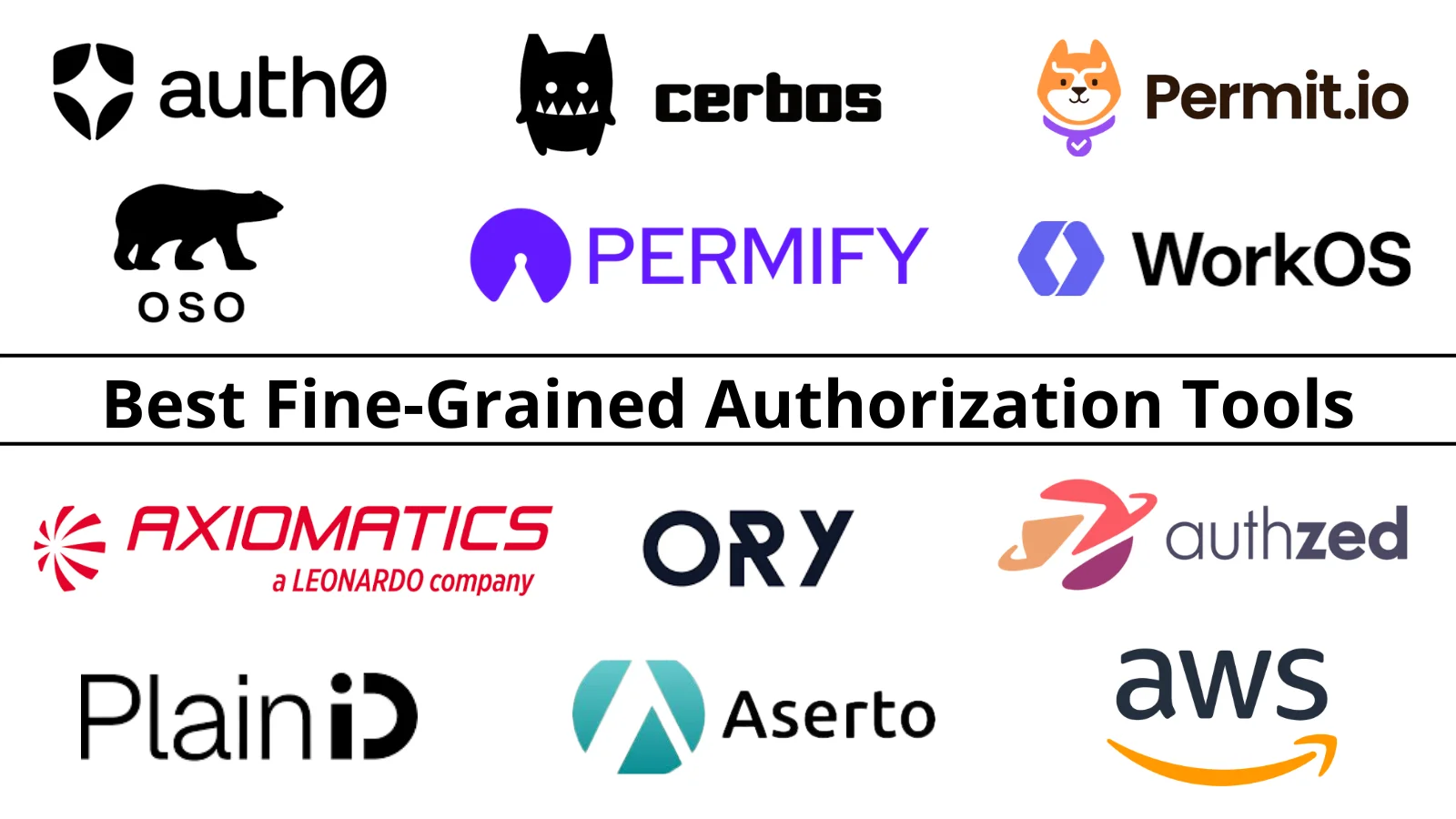
A new comparative analysis released this year evaluates twelve fine‑grained authorization (FGA) platforms, highlighting Okta’s Auth0 FGA as the leading managed solution for Zanzibar‑style policy enforcement, particularly in multi‑tenant customer‑identity and access‑management (CIAM) contexts.
The review, compiled by independent security outlet GBHackers, positions Auth0 FGA alongside a spectrum of tools that cater to different developer and enterprise needs. Open‑source‑friendly options such as Oso and Cerbos are singled out for their developer‑centric APIs and ease of integration, while larger vendors like Axiomatics, PlainID and SGNL are noted for comprehensive enterprise policy orchestration capabilities.
Fine‑grained authorization, which allows permissions to be evaluated against detailed attributes of users, resources and actions, has become a critical layer for organizations moving beyond role‑based access control. The Zanzibar model—originally described by Google—offers a scalable graph‑based approach that can handle complex, dynamic permission sets across thousands of tenants. Auth0 FGA’s managed service abstracts much of the operational overhead, enabling CIAM teams to adopt the model without building custom infrastructure.
Developers, meanwhile, continue to favor lightweight libraries that embed directly into application code. Oso and Cerbos provide language‑specific SDKs and declarative policy languages that let engineering teams define access rules alongside business logic. Their open‑source roots and active community support make them attractive for startups and mid‑size firms that need flexibility without the cost of enterprise licensing.
Enterprises with extensive regulatory obligations often require centralized policy governance, versioning and audit trails. Solutions from Axiomatics, PlainID and SGNL deliver these features through policy orchestration platforms that integrate with existing identity providers and data stores. While they typically involve higher price points and more complex deployment, they address the compliance and scalability demands of large organizations.
The 2026 comparison also notes pricing trends, with managed services like Auth0 FGA adopting usage‑based models, whereas open‑source tools remain free but may incur indirect costs for support and maintenance. Analysts suggest that the market will keep diversifying as cloud-native architectures and zero‑trust frameworks drive demand for granular, real‑time access decisions.
Looking ahead, the report anticipates further convergence between CIAM and FGA offerings, as identity platforms seek to embed fine‑grained policy evaluation directly into authentication flows. Stakeholders are advised to assess not only feature sets but also integration pathways, operational overhead and long‑term cost structures before committing to a particular tool.



Comments (0)
Be the first to comment.
Join the discussion