Microsoft Defender Leads Azure Security Landscape, Wiz Emerges as Top Complement
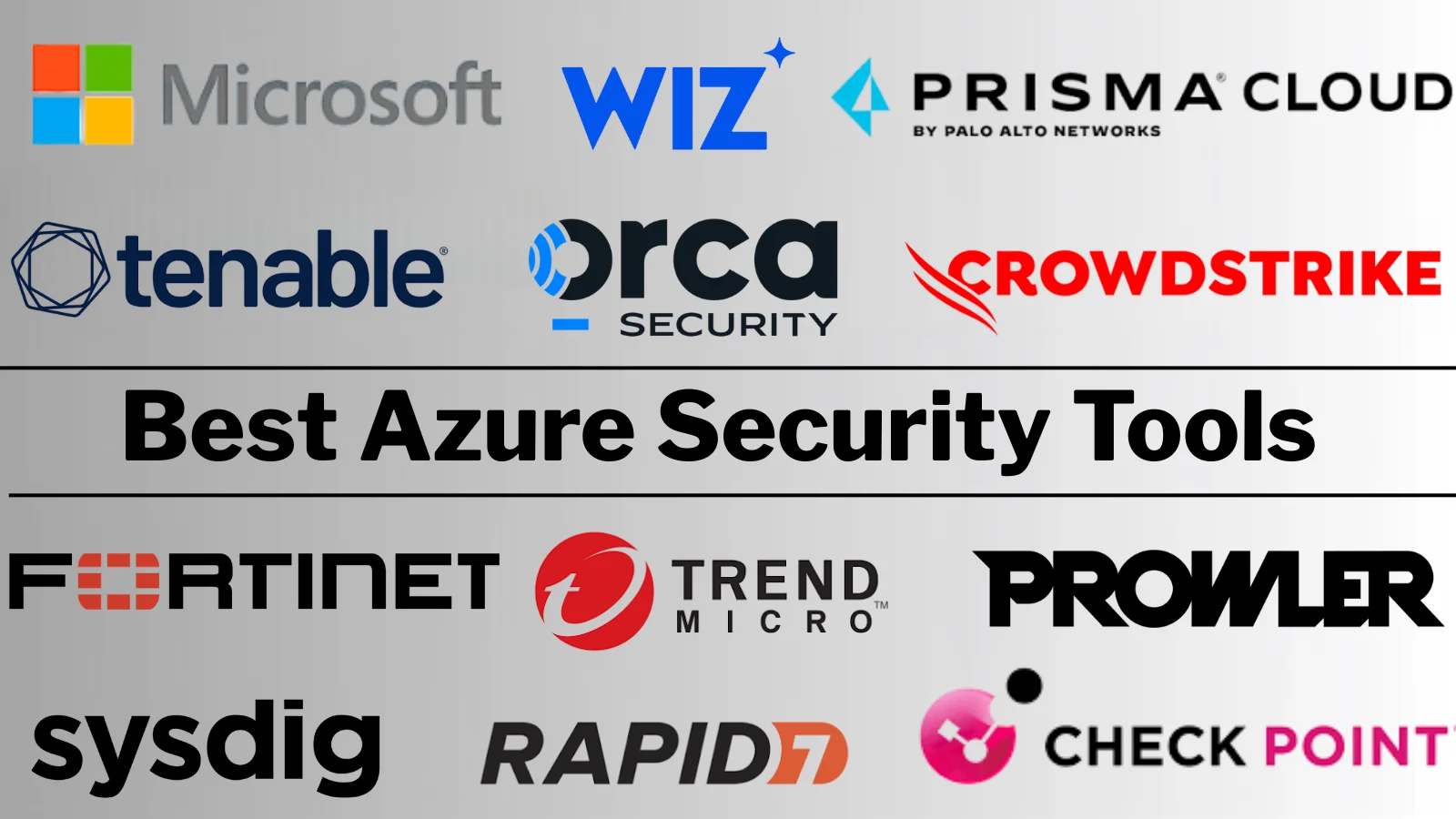
For the majority of Azure customers, Microsoft Defender for Cloud is emerging as the default security foundation, offering a no‑cost tier and a clear per‑resource pricing model that can be read directly from Microsoft’s public rate card. Independent analysis by GBHackers positions the service as the most practical starting point for protecting Azure workloads.
Azure environments present a unique blend of scale, hybrid workloads and rapid deployment cycles, which makes integrated security essential. Defender for Cloud plugs directly into the Azure control plane, automatically discovers resources, applies baseline hardening policies and surfaces compliance insights without requiring separate agents or extensive configuration.
The appeal of Defender’s free foundational tier lies in its ability to provide continuous security assessment and threat detection at zero outlay, while the optional per‑resource plans add deeper protection such as vulnerability scanning and advanced threat analytics. Because Microsoft publishes these rates openly, organizations can forecast security spend with confidence—a rarity among cloud‑native security platforms.
When the volume of alerts and findings grows beyond what the native tool can efficiently triage, many enterprises turn to Wiz as the preferred third‑party supplement. Wiz’s strength, according to the GBHackers comparison, is its ability to ingest large numbers of detections and deliver prioritized remediation guidance, making it especially valuable for large‑scale Azure estates that generate high‑frequency security data.
The GBHackers report evaluated twelve Azure‑focused security solutions, weighing factors such as feature breadth, integration depth and cost transparency. While several competitors offered niche capabilities, none matched Defender’s combination of native integration and publicly listed pricing, and none matched Wiz’s scalability for high‑volume detection environments.
Analysts suggest a two‑stage approach will dominate the market: organizations adopt Defender for Cloud to establish a baseline security posture, then layer a specialized tool like Wiz when the operational load of alerts warrants more sophisticated analysis. As Azure continues to expand its service catalog, transparent pricing and seamless integration are likely to remain decisive criteria for security decision‑makers.



Comments (0)
Be the first to comment.
Join the discussion