Google Cloud Security Landscape: Free Built‑In Tools Meet Rising Demand for Advanced Third‑Party Platforms
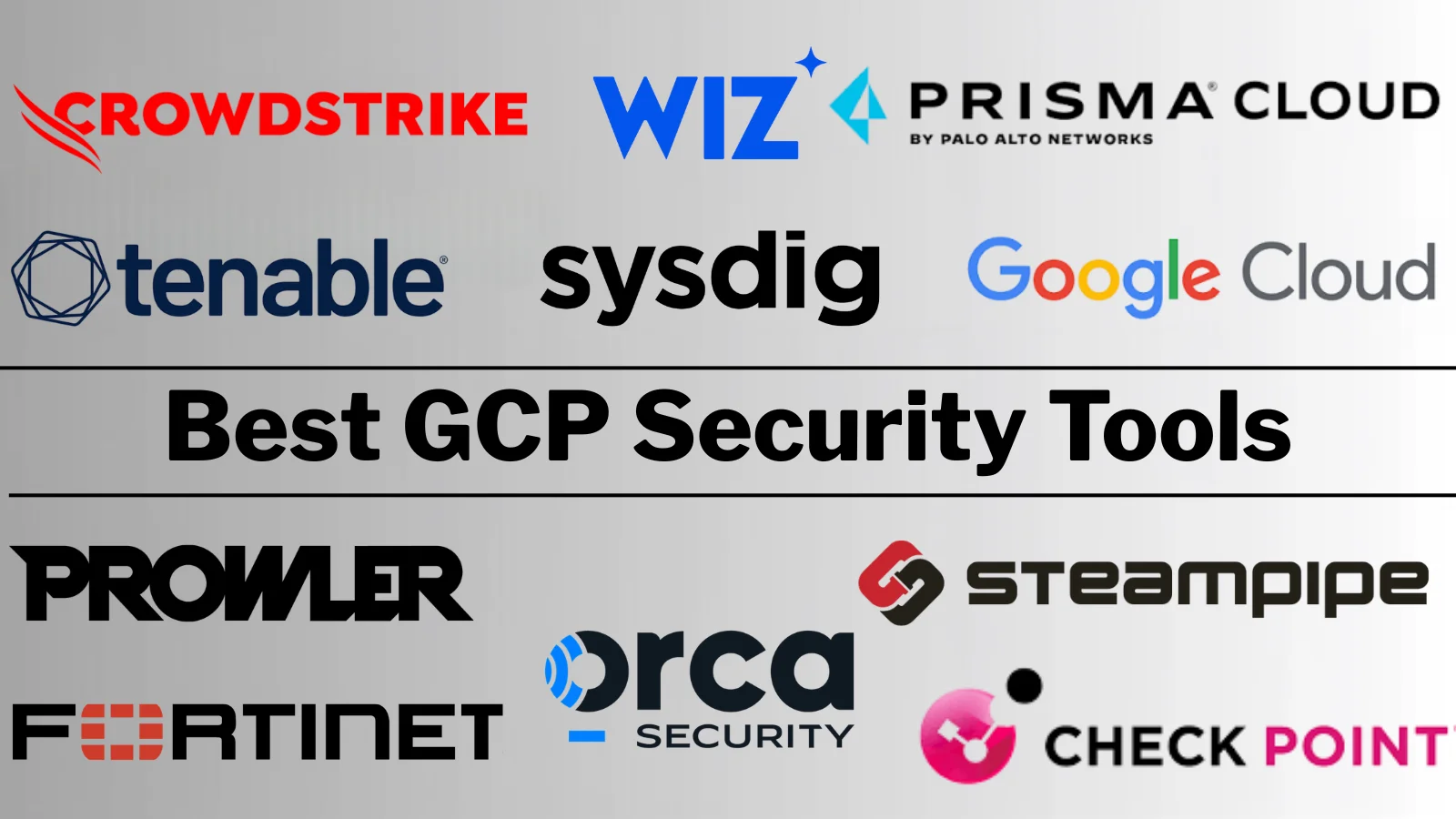
Google Cloud users now have a clear starting point for protecting their workloads: the Security Command Center Standard, a built‑in service that comes automatically with every organization and offers essential visibility at no extra cost.
While the native offering covers fundamental asset discovery and basic threat detection, enterprises with large, complex environments are turning to third‑party solutions for deeper analysis. According to a recent comparative guide, Wiz has emerged as the leading external platform for organizations grappling with high volumes of findings and sprawling service‑account configurations that require sophisticated attack‑path triage.
The guide, compiled by independent security outlet GBHackers, evaluates a range of tools across criteria such as feature sets, ease of integration, and pricing structures. It highlights that the free Security Command Center Standard serves as an effective first line of defense, especially for smaller teams or projects just beginning to adopt Google Cloud services.
For businesses with extensive cloud estates, the report notes that Wiz’s capabilities—including automated risk prioritization, cross‑account correlation, and actionable remediation guidance—address the scalability challenges that native tools alone may not fully resolve. The platform’s pricing model, based on the number of workloads and data processed, is positioned as competitive for firms seeking comprehensive coverage without excessive overhead.
Other contenders examined in the guide include Palo Alto Networks Prisma Cloud, Check Point CloudGuard, and Trend Micro Cloud One, each offering varying degrees of compliance monitoring, container security, and runtime protection. The analysis underscores that while many providers deliver overlapping functionalities, the choice often hinges on specific organizational priorities such as regulatory requirements, existing security stack alignment, and budget constraints.
Industry observers point out that the increasing reliance on multi‑cloud strategies and the growth of serverless architectures are reshaping the security market. As a result, vendors are expanding their offerings to include more granular identity‑and‑access management insights and real‑time threat intelligence tailored to cloud-native workloads.
Looking ahead, the guide suggests that cloud providers like Google may continue to enhance the native Security Command Center, potentially narrowing the feature gap with premium third‑party solutions. In the meantime, security teams are advised to conduct regular assessments, align tool capabilities with their risk profile, and consider layered defenses that combine built‑in services with specialized platforms where needed.
Enterprises seeking to strengthen their Google Cloud posture should start with the free Security Command Center Standard, evaluate their exposure levels, and then decide if an advanced solution such as Wiz or another provider offers the necessary depth for their particular threat landscape.



Comments (0)
Be the first to comment.
Join the discussion